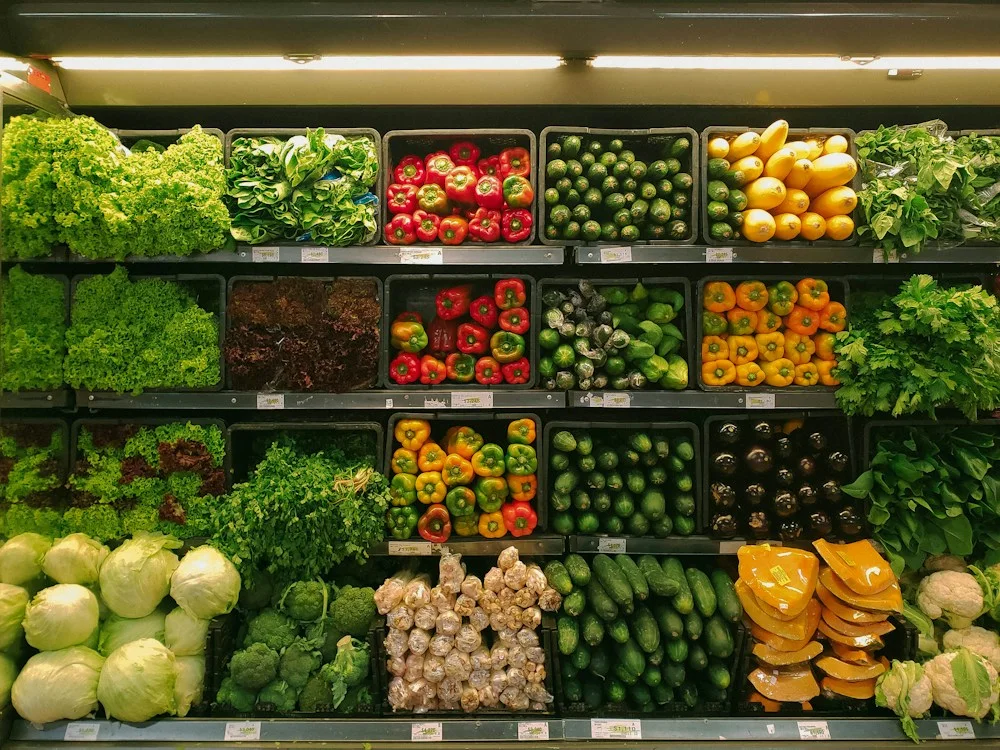
A kitchen closes for the night. A warehouse clears a shipment. A food-service team finishes another busy shift. Each leaves behind material that needs a destination. For the people managing that work, food waste is an operational issue first: it takes space, creates handling demands and has to leave on a dependable schedule.
GroundLoop starts with that practical reality. Our mission is to give Florida businesses and institutions a practical way to turn food waste into compost for healthier soil. That means thinking about the full journey, from the place material is generated to the place a finished soil amendment can be put to use.
Keep food at its highest useful value
Composting belongs within a broader approach to food waste. Preventing unnecessary waste and keeping wholesome food available for people should come first. EPA's Wasted Food Scale places prevention, donation and upcycling among its most preferred pathways. Composting provides a useful route for suitable material that remains after those opportunities have been considered.
For a business, this is a reason to look closely at what is being discarded. Avoidable overproduction and unavoidable preparation scraps are different problems. A good diversion conversation should make room for both rather than treat every discarded pound as a success.
Understand what composting actually does
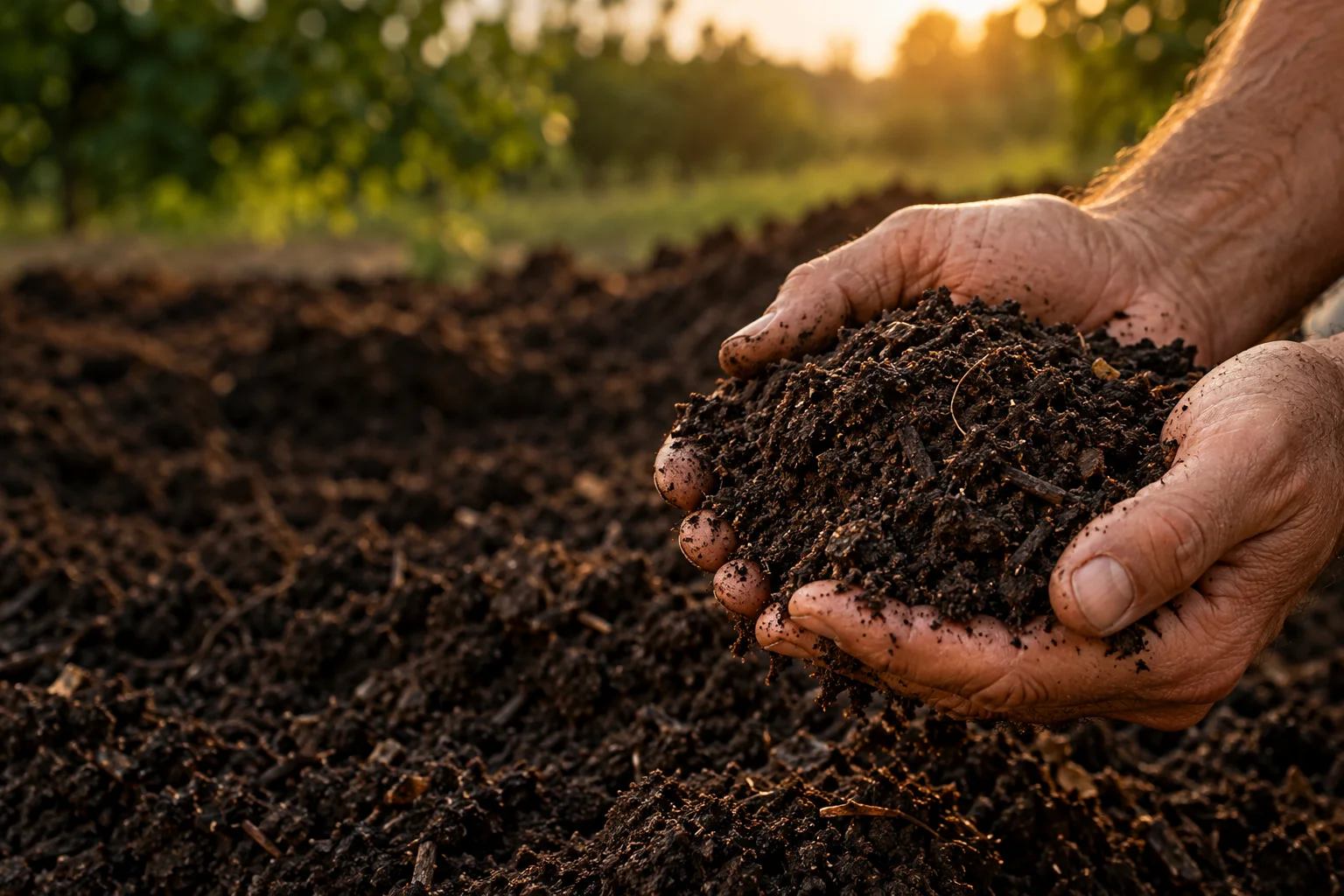
Composting is managed biological decomposition with oxygen. Food scraps are combined with appropriate carbon-rich materials, and the mixture needs suitable moisture, structure and aeration. The process is more than emptying a truck into a pile. A material's condition, packaging and consistency affect how it can be handled.
Active processing is followed by a period of maturation. Screening can separate larger pieces from the finished material, but a dark appearance or a particular calendar date alone does not establish readiness. The intended use and the quality of the resulting product matter.
Make the handoff work
A dependable partnership begins before the first load. Where does the material come from? How is it separated? Is it loose, packaged or boxed? How much arrives on an ordinary day, and how much arrives during a peak? Who handles transportation, unloading and any rejected material?
These questions are not obstacles to diversion. They are how a useful service is designed. A supplier with predictable loads and clear preparation practices is easier to plan around than a supplier whose material changes without notice. Equally, the receiving operation needs to communicate what it can accept and when.
No business should assume that every item described as organic or compostable fits every facility. Acceptance must be confirmed for the specific material and service arrangement.
Remember the person who will use the product
The journey does not end when food waste leaves a customer's property. It ends with a product someone can use appropriately. A landscape supplier, grower or property manager needs to know what the compost is suited for, what information accompanies it and how delivery or pickup will work.
That downstream perspective shapes better decisions upstream. Keeping contaminants out, understanding the feedstock and planning for finished-product demand are connected parts of the same work. Moving more material is not enough if the output does not meet a real need.
Start with a useful conversation
GroundLoop welcomes conversations with businesses, institutions, haulers and soil-product buyers across Florida. An initial inquiry does not require a perfect waste audit. A location, a description of the material, an approximate volume and a few photographs can establish the questions that need to be answered next.
Our approach is practical: identify the material, understand the operation and determine whether there is a workable path from food waste to soil use. That is the connection GroundLoop is here to make.
Tell GroundLoop where your material is generated, what it contains and your approximate volume. Use our Contact page to explore working together.
Start your GroundLoop conversation