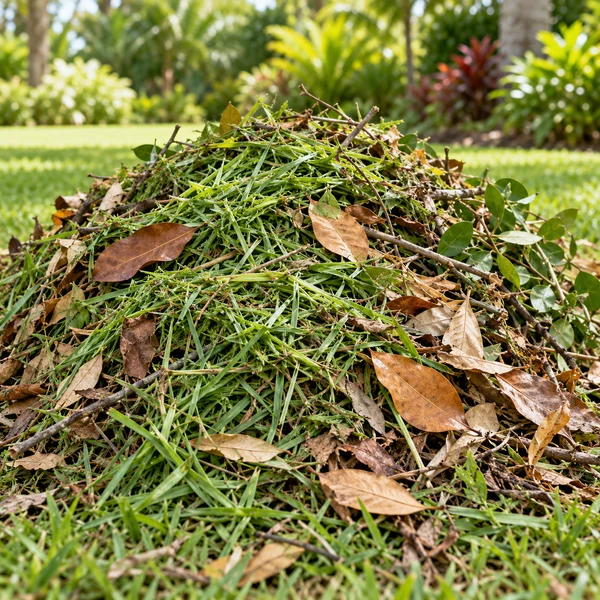
Yard debris
Grass clippings, leaves and plant trimmings from landscaping and grounds maintenance.

Food waste is our first priority. We also recover yard debris, clean wood materials, and suitable paper and cardboard. At our own composting facility, we turn organic residuals from Florida businesses into a resource for healthier soil.
From organic waste collection to finished compost and measurable progress, choose the service that fits your business. Each request starts with the right questions.
Understand your organic waste streams, current handling and opportunities to divert more material into composting.
Request an assessmentSource compost and soil products for farms, landscapes, garden centers and growing projects, with delivery planning.
Request compost supplyPlan containers, one-time pickups or recurring organics collection around your material, location and schedule.
Request pickup & containersBuild a diversion program, track your impact and prepare the records for carbon, recognition and accreditation pathways.
Plan a sustainability programNeed more than one service? Tell us in your request and we can plan them together.
Food waste is our first priority. Our composting work also brings valuable organic materials from landscapes, offices, tree care and manufacturing back into the soil cycle.
Grass clippings, leaves and plant trimmings from landscaping and grounds maintenance.
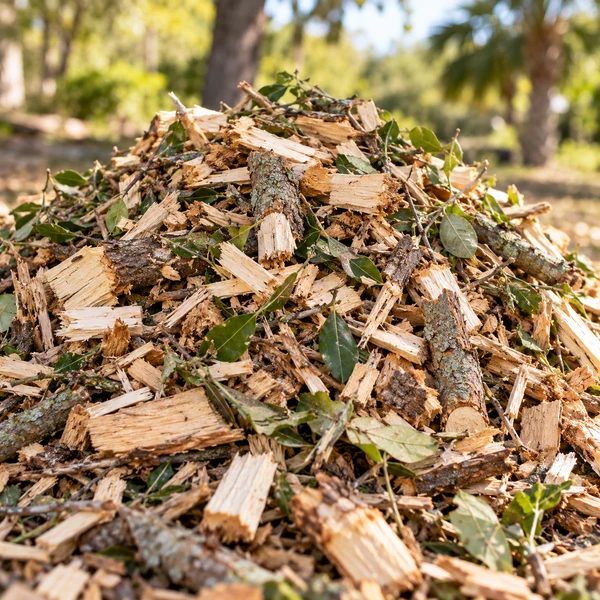
Prunings, branches and chipped tree material from arborists and tree-care operations.
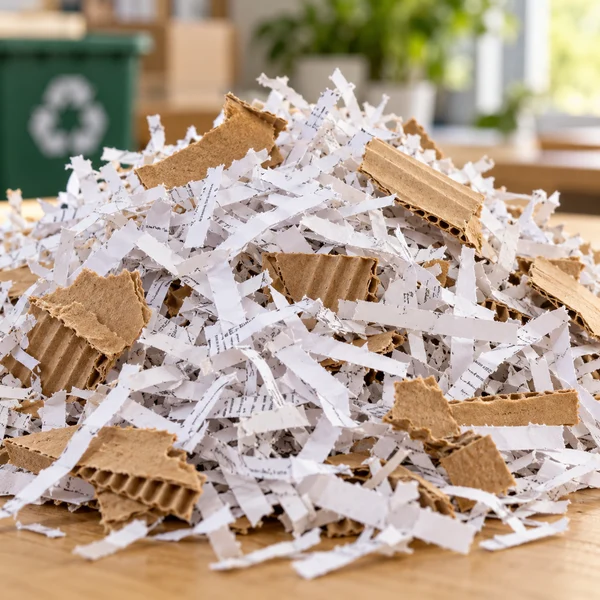
Suitable shredded office paper and uncoated cardboard, separated from plastic liners and other contaminants.
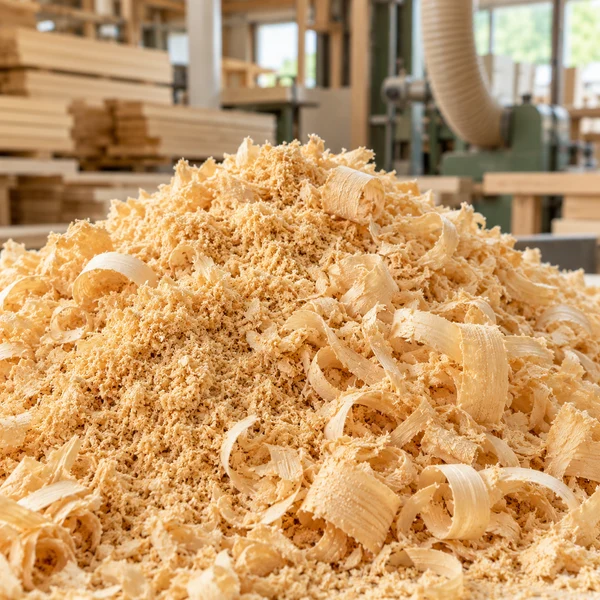
Sawdust, shavings and wood chips from manufacturing with clean, untreated solid wood.
Whether you manage one kitchen or a complex network of facilities, start with a plan that connects the material, logistics and reporting.
Food waste comes first, alongside yard debris, clean wood residuals and suitable paper and cardboard—all reviewed and processed at our own composting facility.
Plan containers, collection frequency, access and transport around where your material is generated.
Practical separation routines, staff guidance and contamination prevention that fit everyday work.
Define the records, weights, reporting periods and destination evidence needed to explain your progress.
Explore emissions estimates and potential credit pathways with an appropriate method and independent verification.
Organize evidence for sustainability programs and evaluate the standards, scope and verification each requires.
Credit issuance and third-party accreditation depend on program eligibility and verification. A diversion report does not itself create a tradeable carbon credit or certification.
Build food-scrap separation into prep lines, dish areas and busy service routines.
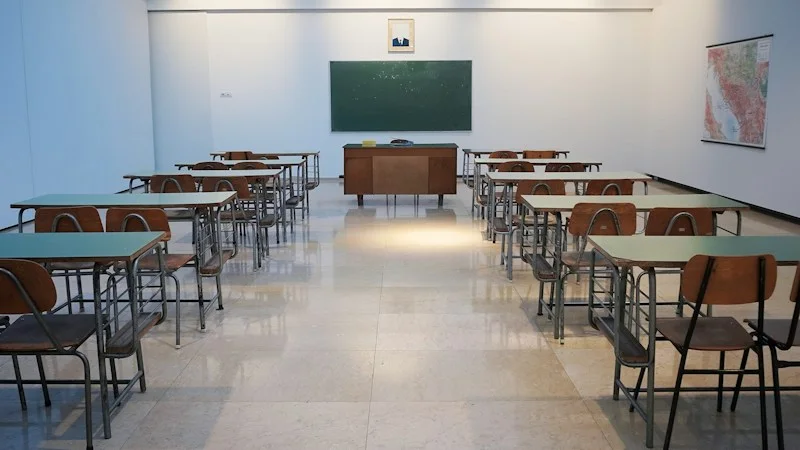
Connect cafeteria diversion with clear sorting habits and practical sustainability education.

Coordinate food-service organics around demanding schedules and distinct waste streams.

Shape organics programs for public facilities, community initiatives and local growing needs.
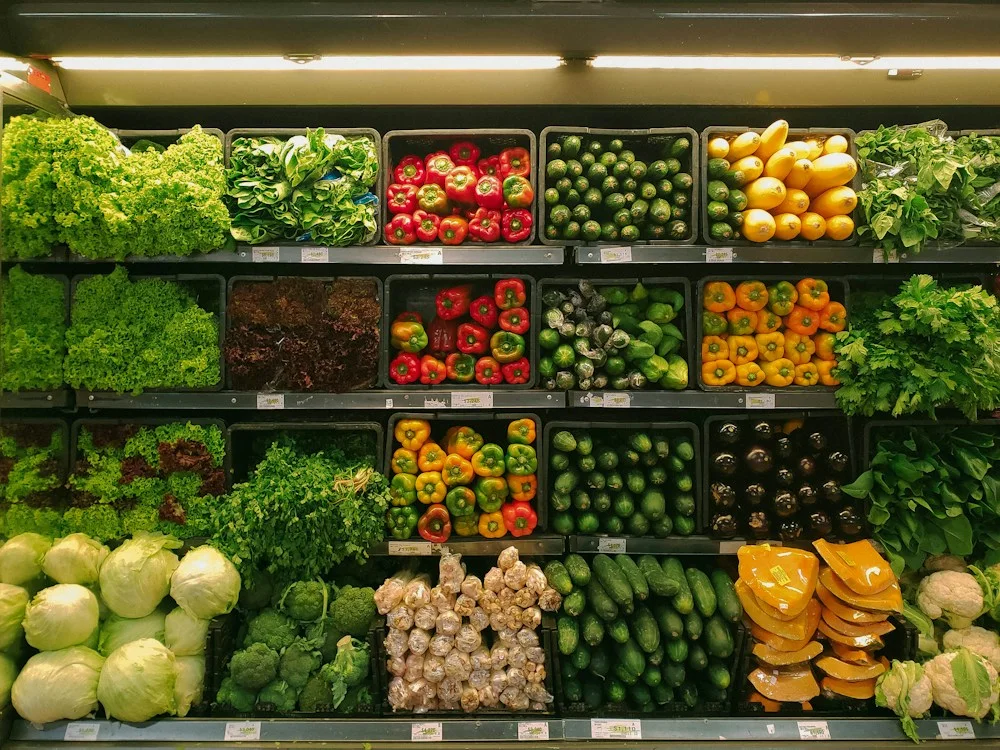
Plan for produce, bakery residuals and changing volumes, with packaging addressed upfront.
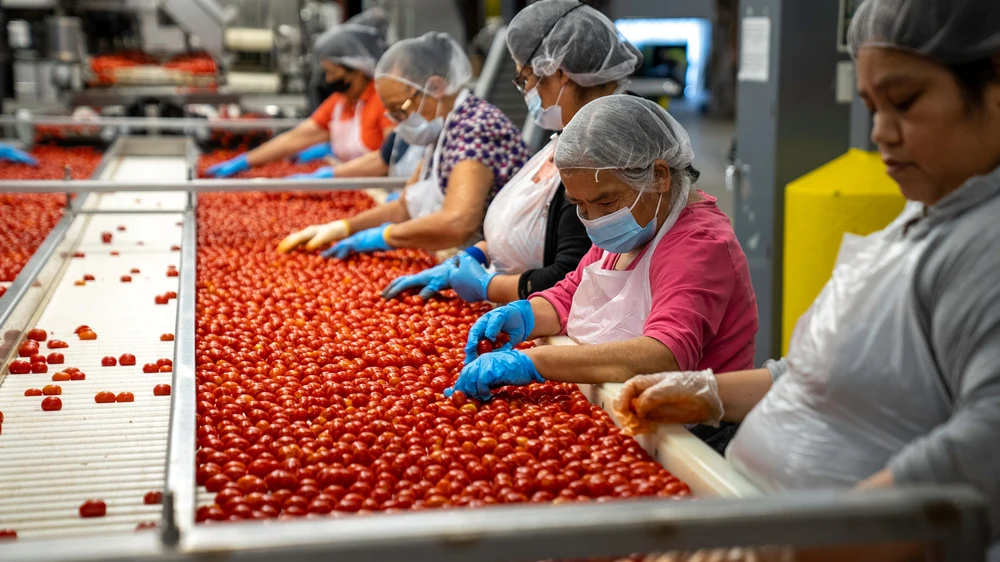
Develop a material-specific plan for bulk residuals, load handling and transport.
Use this guide to start the conversation. We confirm your material requirements before any pickup or delivery is arranged.
Source-separated materials are the starting point for a dependable composting program. We review the stream and confirm acceptance before service begins.
Ask about your materialPeels, trimmings and spoiled produce.
Coffee grounds, loose tea and approved filters.
Bread, pasta, rice and other unpackaged grain products.
Consistent, separated material from kitchens and food production.
Grass clippings, leaves and plant trimmings.
Clean branches, chipped tree material and arborist residuals.
Suitable shredded office paper and plain, uncoated cardboard.
Sawdust, shavings and chips from untreated solid wood.
Tell us your locations, organic material streams, volumes and current handling.
Agree on separation, containers, transport, timing and acceptance.
Put the agreed program into practice and keep materials moving.
Review records, address contamination and refine the program over time.
We welcome business inquiries throughout Florida. Your location, material and volume help us confirm the right service arrangement and logistics.
Tell us what packaging is present and how the material is currently handled. Separation, depackaging and acceptance requirements are agreed for the specific stream; please do not assume packaging can go in the organics bin.
We assess the complete program: current disposal, containers, hauling, processing and staff routines. Costs and potential savings depend on the details of your operation.
These require a defined program, eligibility, evidence and verification. We can discuss the documentation pathway, but participation in a composting program alone does not certify a business or issue carbon credits.
Your facility locations, approximate weekly volumes, material description, packaging information, current pickup schedule and a few representative photographs are a useful start.
Waste assessment. Compost supply. Collection. Sustainability.
Find the right starting point for your business.