Return organic matter
Compost can support soil structure and help keep organic resources in productive use.
Composting reconnects what we use with what we grow. It is a practical way to return organic matter to the land and rethink the destination of food waste.
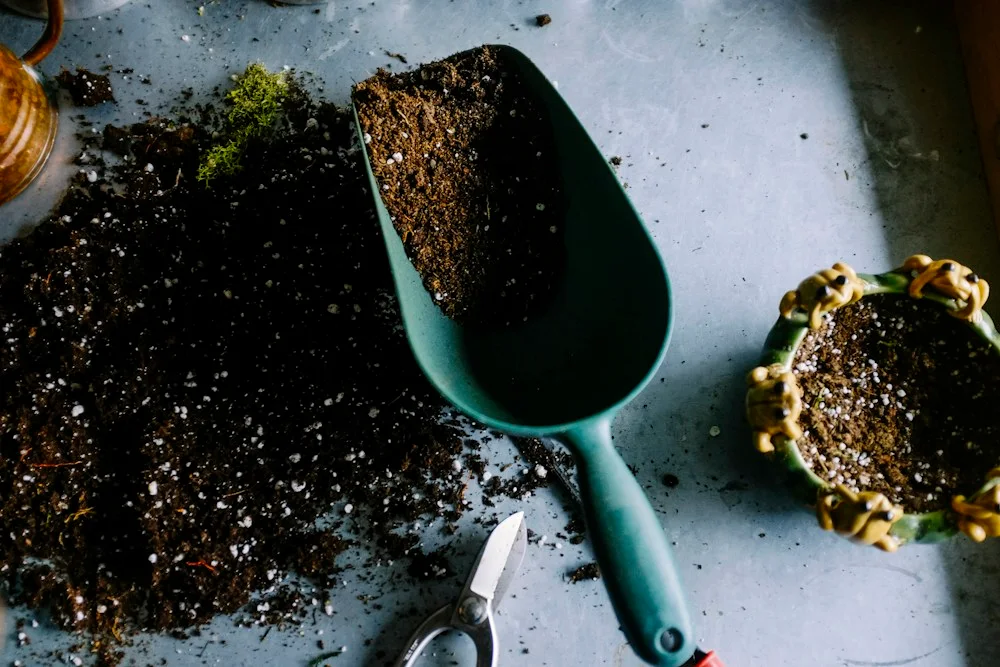
When food breaks down in a landfill without oxygen, it can generate methane. Composting uses a managed, oxygen-rich process to produce a useful soil amendment.
of fugitive methane emissions from U.S. municipal solid waste landfills were attributed to food waste in EPA’s 2020 estimate.
Follow the journey from healthy soil to food—and back again.
Nothing wasted.
Everything connected.
Healthy soil supports farms, gardens and the crops that feed our communities.
Select a stage to follow the loop.A well-designed program joins day-to-day operations with a longer view of resource use.
Compost can support soil structure and help keep organic resources in productive use.
Organic matter can improve the soil’s ability to retain water, with results shaped by soil and application.
Clear separation and pickup plans make sustainability part of everyday operations.
Document accepted quantities and distinguish measured diversion from modeled environmental impact.
Explore what a consistent weekly organics program could add up to.
Illustration: weekly pounds × 52. Actual accepted quantities depend on separation, contamination and service. This is not a carbon credit or emissions calculation.
We see schools, community gardens and local partnerships as part of the same story: helping more people understand where their food comes from and where their scraps can go.
Bring us your idea for a conversation, educational project or community collaboration.
Explore a community partnership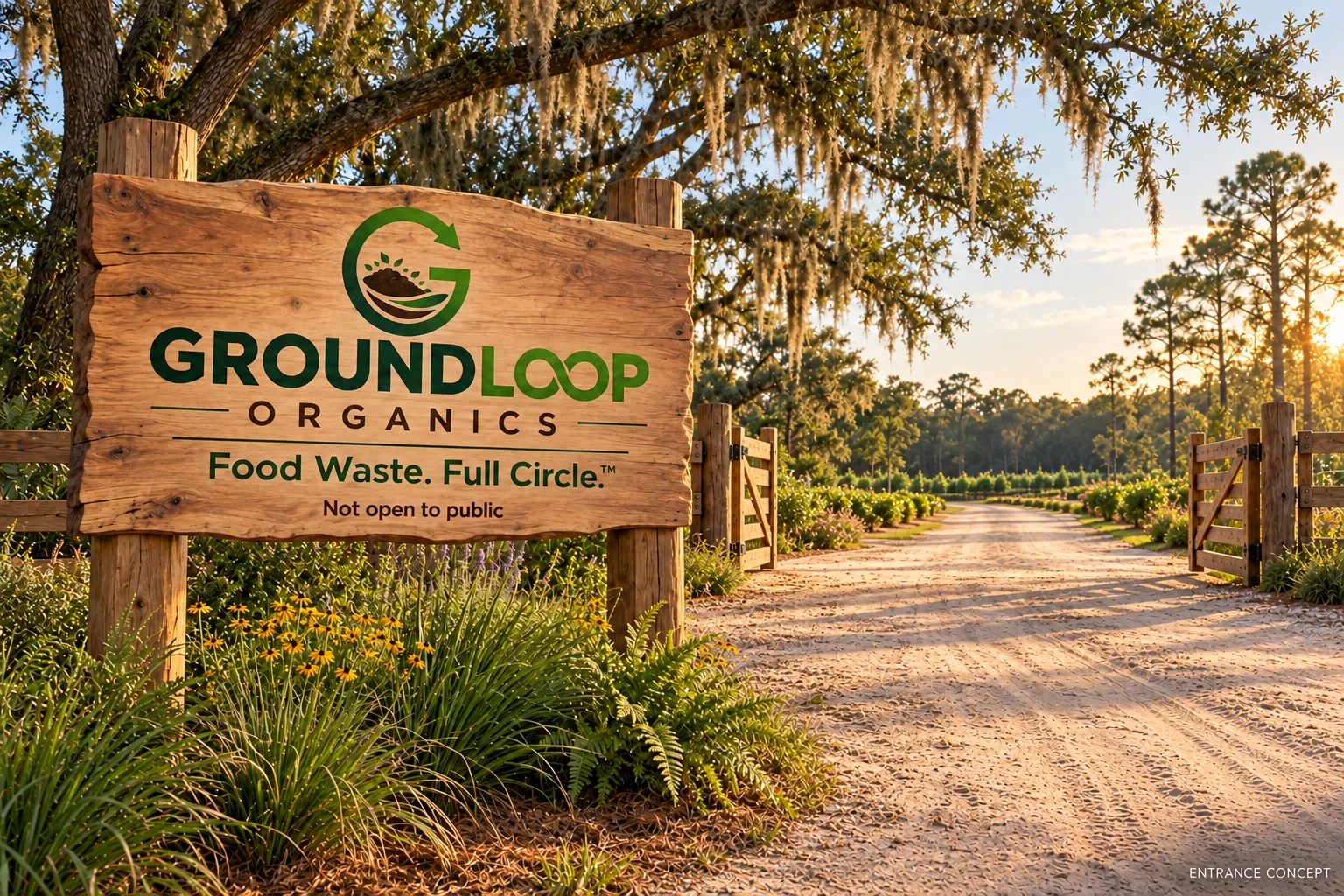
Understand the process, uses and environmental benefits.
U.S. EPAExplore generation and management data by pathway.
U.S. EPARead the national analysis of food waste and fugitive methane.
UF / IFASPractical guidance for composting and growing in Florida.
A better destination starts with a conversation. Tell us about your operation, and let’s build your loop.